Holiday Meltdowns and Your Child's Nervous System: A Parent's Guide
 Written by Dr. Henry Kornegay, DC · PX Docs Pro · Webster certified · November 18, 2026
Most holiday meltdowns aren’t bad behavior. They’re a sign that your child’s nervous system has taken in more noise, light, sugar, people and late nights than it can process, and it has tipped into “fight or flight.”
The good news is that you can plan for it. When you know what overloads a young nervous system, you can protect the parts of the season your family loves and skip a lot of the tears.
Why Christmas is so hard on kids’ nervous systems
Your child’s nervous system is always doing two jobs. One side, the sympathetic system, gets the body ready for action. The other side, the parasympathetic system, handles rest, digestion and calm. Kids feel their best when they can move easily between the two.
The holidays push hard on the action side, all at once:
- More input: flashing lights, music in every store, crowded rooms and new smells.
- Less routine: school breaks, travel, later bedtimes and skipped naps.
- Different food: more sugar, more snacking and meals at odd times.
- Big feelings: excitement, waiting, new people and high expectations.
Any one of these is fine. Stacked together for weeks, they can leave a child stuck in high gear. That’s when you see the meltdown at the family party, the shutdown at the mall, or the child who can’t fall asleep on Christmas Eve.
Signs your child’s nervous system is overloaded
Every child shows stress differently. Watch for:
- Crying or anger over small things
- Covering ears, hiding, or refusing to go into a busy room
- Running, crashing into furniture or climbing on everything
- Trouble falling asleep or waking more at night
- Tummy aches, constipation or a smaller appetite
- Going quiet and “checking out”
Kids who already have sensory processing differences, ADHD or anxiety often feel the holidays more strongly. Their nervous system has less room to absorb extra input, so they hit overload sooner.
Seven ways to help your child stay regulated this season
1. Protect sleep first
Sleep is when the nervous system resets. Keep bedtime as close to normal as you can, even on vacation days. If a late night is unavoidable, plan a quiet, slower morning after it.
2. Keep a few anchors in the day
You don’t need a strict schedule. Pick two or three things that stay the same, like breakfast together, an afternoon rest time and the usual bedtime routine. Predictable moments help a child’s body feel safe.
3. Preview what’s coming
Tell your child ahead of time who will be at a gathering, how long you’ll stay and what will happen. For younger kids, a simple picture schedule helps. Surprises are harder on a nervous system that’s already working overtime.
4. Build in quiet breaks
At a family party, find a calm room your child can step into. Bring headphones, a favorite blanket or a book. A few minutes away from the noise can prevent a full meltdown.
5. Get them moving
Movement helps the body burn off stress. Bundle up for sledding, a walk around the neighborhood or a snowball fight before a big event. Heavy work, like carrying groceries or pushing a laundry basket, is calming for many kids.
6. Balance the treats
You don’t have to skip Christmas cookies. Serve them alongside protein and regular meals so your child’s energy doesn’t swing as hard. Plenty of water helps too.
7. Stay calm yourself
Kids borrow calm from the adults around them. When you slow your breathing and lower your voice, their nervous system often follows. That’s hard during a busy season, so give yourself grace and some downtime too.
How neurologically-based chiropractic care can help
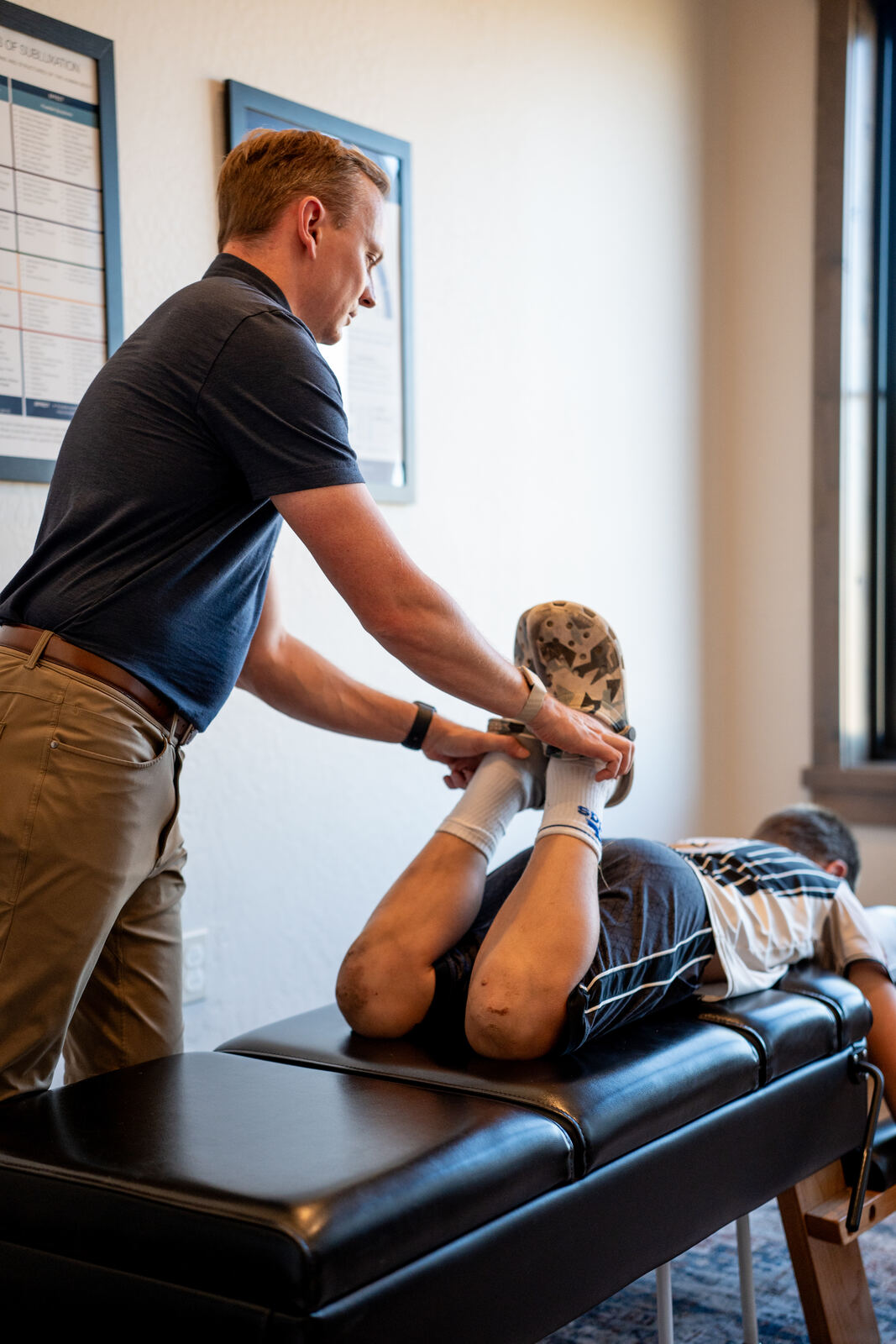
At First Steps Chiropractic, we look at how well your child’s nervous system adapts to stress. Using gentle, technology-based scans, we can see where the body may be stuck in “fight or flight.” Our adjustments are gentle and tailored to each child, and they aim to help the nervous system shift more easily back into rest and calm.
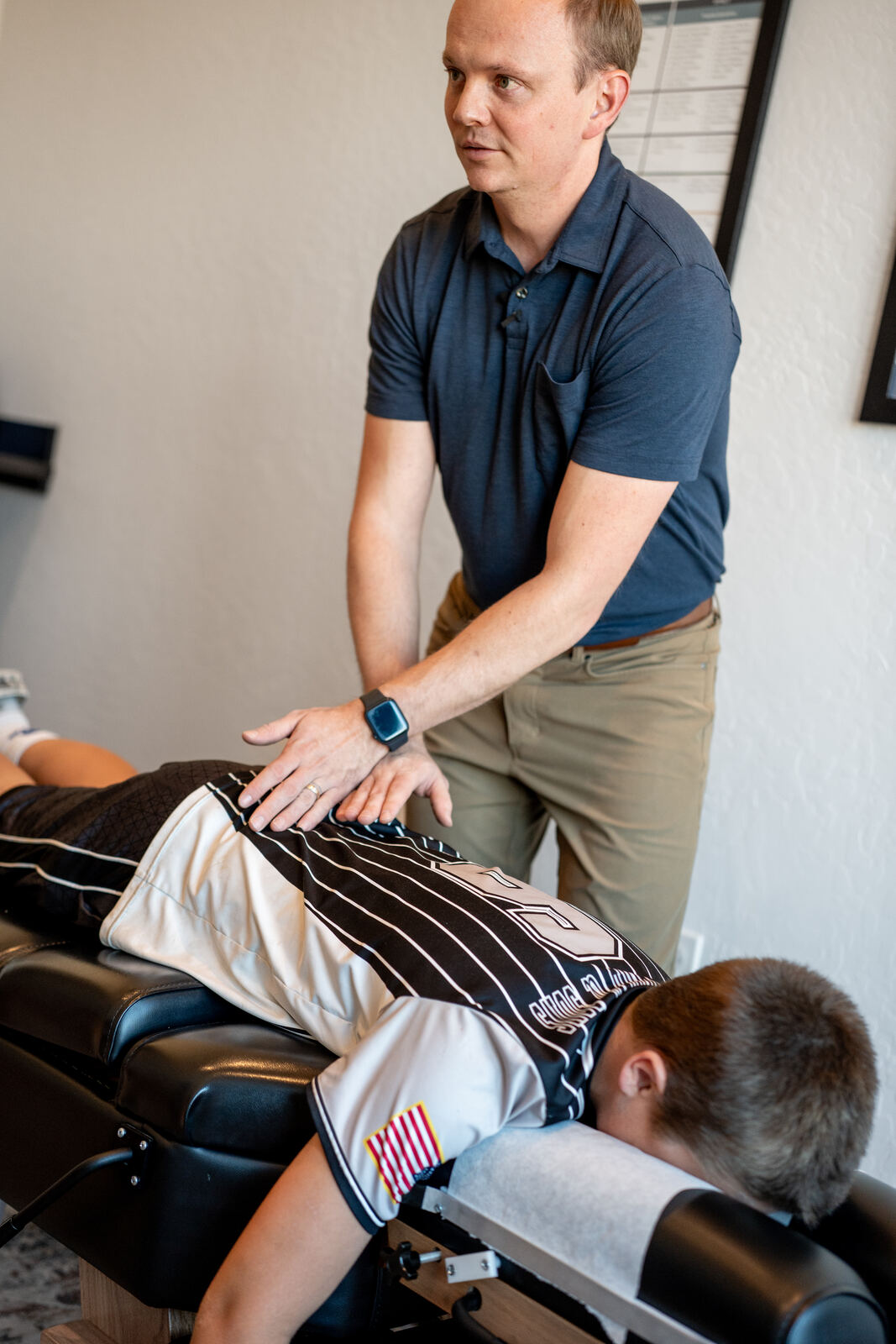
Many families come in when they notice their child has a harder time with sleep, transitions or big feelings. The holidays are a great time for a check-in, so your child heads into the new year better able to handle stress.
We care for families in Hayden and across North Idaho, including Coeur d’Alene, Post Falls, Rathdrum and Athol.
Frequently asked questions
Why does my child melt down after holiday parties? Busy gatherings bring noise, new people, late nights and sweets all at once. A child’s nervous system can only process so much, and when it runs out of room, a meltdown is often the result.
Are holiday meltdowns a sign of a sensory problem? Not always. Many kids have a hard time during the holidays. If meltdowns happen often, last a long time or show up all year long, it’s worth talking with your child’s provider about how their nervous system handles input.
Is chiropractic care safe for kids? Pediatric adjustments are gentle and tailored to your child’s age and size. At First Steps, every child starts with a full exam and nervous system scan so we can see what’s going on before we recommend any care.
Book a holiday check-in
Want a calmer Christmas for your family? Call First Steps Chiropractic at (208) 518-0705 or book online. We’d love to help your child’s nervous system get ready for the season.
This article is for education only and isn't a substitute for an individual exam or medical advice.