ADHD
ADHD
Chiropractic care helps with ADHD by focusing on restoring balance to the nervous system. When our kiddos have a dysregulated autonomic nervous system we see difficulty focusing, concentration and listening.
Parents report improvements in their children’s behavior, mood, and ability to adapt to daily changes and challenges following chiropractic care. Our adjustments create balance, improve adaptability to stress and lower sympathetic tone. It also improves the overall connection between the brain and the body.
Better Focus and Concentration
Improved Adaptability To Stress
Improved Nervous System Function
Questions About How Chiropractic Can Help?
You’re Not Alone. We Are Here to Help!
Improved Nervous System Function
Chiropractic care aims to restore balance to the nervous system, which helps improve the body’s ability to function, process, and adapt to its environment. This can be particularly beneficial for children with ADHD, who may have dysregulation in their autonomic nervous system.
Better Behavior and Mood
Parents often report that their children exhibit better behavior and mood after receiving chiropractic care. This is because of the increased adaptability to stress and lower sympathetic tone, helping children to cope better with the challenges associated with ADHD.
Increased Adaptability to Daily Challenges
When the nervous system is functioning at an optimal level, children with ADHD are finding it easier to adapt to daily changes and challenges. This adaptability is crucial for coping with the demands of school, social settings, and family life. Chiropractic care supports children in becoming more resilient and capable of handling the ups and downs of daily life with ADHD.
Our Blog

Toe Walking and ADHD A Guide for Concerned Parents
Discover the link between toe walking and ADHD. Learn about the causes, assessments, and practical, supportive strategies to help your child thrive.

Colic Versus Reflux A Parent’s Guide to Soothing Your Baby
Is it colic versus reflux? This guide helps parents decode symptoms, understand root causes, and find effective soothing strategies for their unsettled baby.

Understanding Non Organic Failure to Thrive A Parent’s Guide
Discover the signs and causes of non organic failure to thrive. Learn effective management strategies to support your child’s healthy growth and development.

Overactive nervous system treatment: Restore calm with practical steps
Discover effective overactive nervous system treatment options, from lifestyle changes to advanced therapies that restore balance and calm.

Chiropractic Benefits During Pregnancy: chiropractic benefits during pregnancy
Discover chiropractic benefits during pregnancy: gentle, personalized care to ease pain, enhance comfort, and support labor preparation.

Regenerative Medicine for Back Pain: Real Relief with Your Body’s Healing Power
Struggling with chronic pain? See how regenerative medicine for back pain can address the root cause and unleash your body’s healing power for lasting relief.

How to Prepare Body for Labor: An Empowering Guide
Learn how to prepare body for labor with practical conditioning, nervous system balance, and nutrition tips for a smoother, empowered birth.
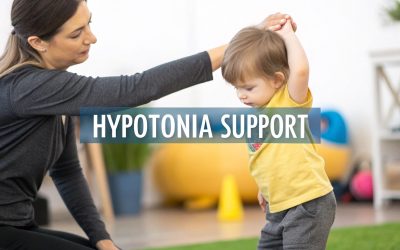
Hypotonia Autism Spectrum Disorder A Parent’s Guide to Signs and Support
Explore the connection in hypotonia autism spectrum disorder. This guide covers key signs, effective therapies, and how to support your child’s development.
A Parent’s Guide to Hyposensitive Sensory Processing Disorder
Is your child underresponsive? Understand the signs of hyposensitive sensory processing disorder and find practical ways to support their sensory needs.
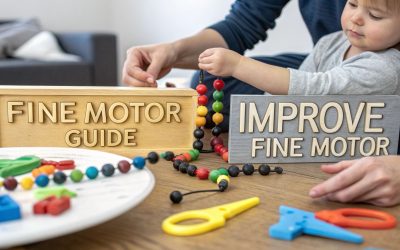
How to Improve Fine Motor Skills A Parent’s Practical Guide
Discover how to improve fine motor skills with fun, age-appropriate activities. This parent’s guide offers actionable tips for supporting child development.