
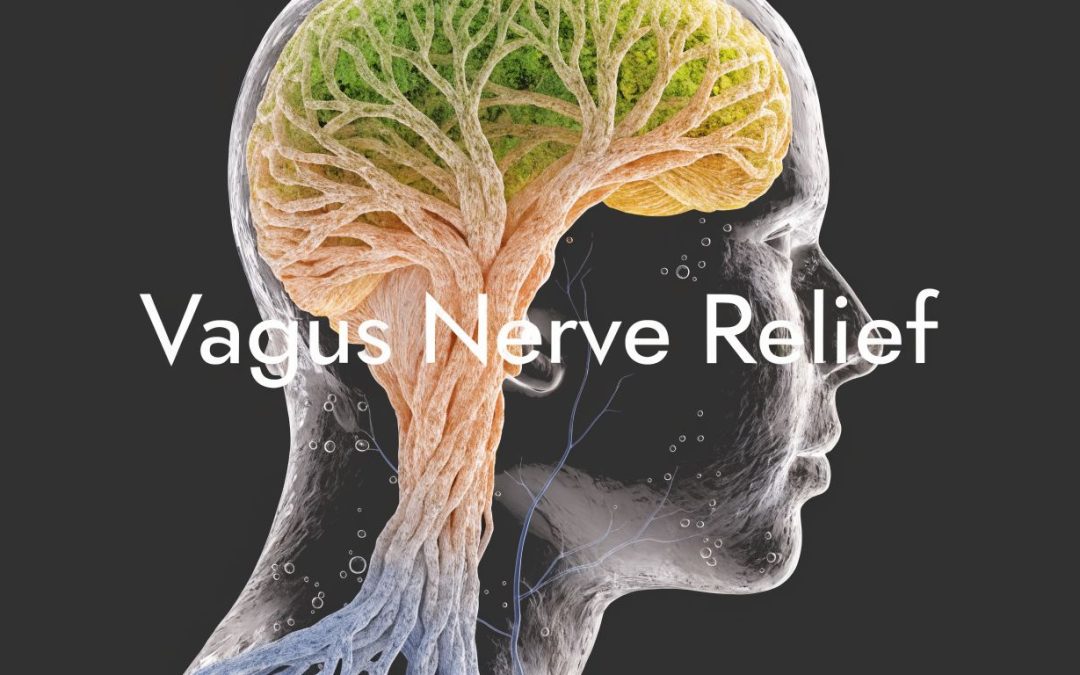
A child finishes dinner, then complains of nausea and throat tightness before bed. Later, there is restless sleep, a pounding heart, and a nervous system that never seems to fully settle. In adults, the pattern may look different, but the frustration is the same. Digestive flare-ups, dizziness, anxiety, poor sleep, brain fog, and symptoms that seem to belong to different specialists.
That kind of pattern leaves families stuck in a loop. One appointment looks at the stomach. Another checks the heart. A third points to stress. After enough dead ends, it is easy to question your own instincts.
You are not overreacting.
One of the missing links is the vagus nerve, a major communication pathway between the brain and the organs. When that pathway is inflamed, irritated, or not signaling well, the result rarely stays confined to one body system. It can show up through digestion, breathing, heart rate, swallowing, mood, and immune regulation.
Inflammation of vagus nerve tissue is more than a theory. The larger clinical point for families is straightforward. When this nerve is under inflammatory stress, the body can lose some of its ability to regulate itself well.
In practice, I also want parents to know that inflammation is not the whole story. The vagus nerve travels through an area that depends on good mechanical function in the upper neck, skull base, jaw, and surrounding soft tissues. If that region is under constant tension or biomechanical strain, the nervous system can stay irritated and noisy even when standard tests do not give a clean answer.
The nervous system works like a communication network. If the main calming and coordinating signal is distorted, messages between the brain and body become less clear. That does not mean every symptom comes from one cause. It means the body may be struggling with regulation at a higher level, and that opens the door to practical, non-invasive ways to support recovery.
The Unseen Connection in Your Health Journey
The vagus nerve often becomes relevant when nothing else ties the pieces together.
A parent may notice their child swings between constipation and loose stools, startles easily, struggles with sleep, and melts down in busy environments. An adult may notice reflux, bloating, palpitations, tight shoulders, shallow breathing, and a nervous system that never seems to settle. Each symptom gets treated separately, but the pattern stays.
That pattern points to regulation.
Why the pattern feels so confusing
The vagus nerve touches many systems at once. When it's not working well, the body can lose some of its ability to shift into a calm, restorative state. That can affect digestion, breathing rhythm, heart regulation, inflammatory control, and even how safe or threatened the body feels moment to moment.
Consider a home's electrical panel. If one kitchen light burns out, you replace the bulb. If lights flicker in several rooms, the problem may be upstream. The vagus nerve is one of those upstream regulators.
Parents often describe this as a child who seems "on edge" all the time. Adults describe it as being wired and tired. Different words, same nervous system story.
When symptoms cross body systems, it's wise to stop asking, "Which organ is failing?" and start asking, "How is communication between the brain and body functioning?"
What inflammation of vagus nerve tissue can mean
Sometimes the nerve is affected by infection or immune activity. Sometimes it isn't inflamed in a strict medical sense but is still irritated, compressed, or not signaling well. In real life, families usually care less about the terminology and more about the experience: the body isn't adapting the way it should.
That's where a practical framework helps. Instead of chasing symptoms one by one, look for these clues:
- Multi-system involvement: Digestion, sleep, mood, heart rhythm, or breathing all seem affected.
- Poor recovery: Even after rest, the body doesn't reset well.
- Stress sensitivity: Minor triggers create outsized responses.
- Neck tension or posture issues: Symptoms often worsen alongside upper neck strain.
Inflammation of vagus nerve function isn't always the whole story, but it is often a major part of the story. Once families understand that, the picture starts to make sense. And once the picture makes sense, choices about care become much clearer.
Understanding the Vagus Nerve Your Body's Master Regulator
The vagus nerve is best understood as a master information superhighway.
It carries messages between the brain and the heart, lungs, digestive tract, and immune system. It's one of the main drivers of the parasympathetic nervous system, the branch associated with rest, digest, and heal. When this system is working well, your body can slow down, regulate inflammation, digest food efficiently, and recover from stress.

Why this nerve has such broad effects
The vagus nerve isn't a one-way wire from the brain downward. It's a two-way communication pathway.
Research on the inflammatory reflex explains that about 80% of vagus nerve fibers are afferent, meaning they carry information from the body up to the brain. The remaining fibers carry output from the brain back into the body. That bidirectional loop helps the body monitor inflammation and respond to it through what researchers call the cholinergic anti-inflammatory pathway, as described in this review of the inflammatory reflex.
In plain language, the body has a built-in braking system for inflammation. The vagus nerve is a key part of that brake.
If you want a broader overview of what this nerve does day to day, this explanation of vagus nerve function is a useful companion.
The body's built-in anti-inflammatory brake
A healthy vagus nerve helps the body detect inflammatory signals and then tone down excessive immune activity. That doesn't mean it shuts immunity off. It means it helps prevent the response from overshooting.
A simple analogy helps here. Inflammation is like a fire crew. You want them when there's a real fire. You don't want them flooding the whole neighborhood because someone burned toast. The vagus nerve helps keep that response proportionate.
When vagal signaling is reduced, the body may have a harder time calming inflammatory activity. That can show up in subtle ways first. More digestive sensitivity. More reactivity. More trouble settling. More symptoms that flare after stress, illness, or poor sleep.
Why parents should care about this
Children don't usually say, "My autonomic regulation feels off." They show it through behavior, digestion, sleep, and sensory patterns. Adults show it through fatigue, tension, gut symptoms, and stress intolerance.
Common functions influenced by vagal regulation include:
- Heart rhythm: The body adjusts rate and rhythm moment by moment.
- Breathing patterns: Calm breathing depends on smooth brain-body signaling.
- Digestion: Motility, secretion, and gut comfort all rely on parasympathetic input.
- Immune regulation: The body needs a way to quiet excessive inflammatory signaling.
- State regulation: Safe, social, calm states depend on effective parasympathetic tone.
A lot of "mystery symptoms" start to look less mysterious once you see the vagus nerve as a traffic controller, not just a single nerve.
When that traffic controller is functioning well, the body coordinates. When it's inflamed, irritated, or obstructed, systems that should work together start stepping on each other.
Common Causes of Vagus Nerve Inflammation
A parent often notices the pattern before anyone has a name for it. Their child gets sick, the fever passes, but weeks later digestion is still off, sleep is lighter, and the nervous system seems stuck on alert. In adults, the same pattern may show up after a virus, a neck injury, a stressful season, or months of poor sleep.
The vagus nerve can be irritated from several directions at once. Infection is one pathway. Ongoing immune activation is another. Chronic metabolic strain can keep the system reactive. Then there is a cause that is often overlooked in standard conversations about vagal dysfunction: mechanical stress in the neck.

Viral and post-viral triggers
Viruses can disturb vagal function during the illness itself and after the acute infection has passed. COVID-19 brought this into sharper focus, as noted earlier, but the larger clinical lesson is broader than one virus. A significant infection can leave the nervous system and immune system out of sync for weeks or months.
Families often describe a before-and-after shift. A child who used to tolerate foods, transitions, or car rides well becomes more sensitive. An adult notices new reflux, dizziness, palpitations, nausea, shallow breathing, or a lower stress threshold after "recovering" from the infection. That does not prove direct nerve inflammation in every case, but it fits a common post-viral autonomic pattern.
Autoimmune and inflammatory conditions
Some cases start with an immune system that has trouble standing down. Autoimmune activity, chronic inflammatory bowel issues, mast cell patterns, and other inflammatory conditions can keep the body in a state of exaggerated defense. When that happens, the vagus nerve may have a harder time carrying out one of its normal jobs, helping regulate and quiet inflammatory signaling.
This is part of why symptoms can seem scattered across body systems. The person is not imagining it. The same inflammatory burden affecting the gut, joints, skin, energy, or brain fog can also interfere with autonomic regulation.
Mechanical irritation in the neck
This area deserves more attention than it usually gets.
The vagus nerve exits the brainstem and travels through a crowded, mechanically active region of the upper neck. If that region is under repeated strain, from birth stress, falls, whiplash, sports impact, jaw tension, forward head posture, or constant muscular guarding, the nerve and the tissues around it may be exposed to ongoing irritation. In practice, this does not always look dramatic on a scan. It often shows up as a nervous system that cannot settle well.
I explain it to families this way. If a phone charger is bent near the plug, the cord may still work, but not reliably. The problem is not that the whole phone is broken. The signal is inconsistent. Neck biomechanics can create a similar problem for brain-body communication, especially in people who already have inflammation, poor sleep, or a recent viral trigger.
Poor upper cervical motion does not automatically mean the vagus nerve is inflamed. That would be too simplistic. The more accurate view is that structural stress in the neck can lower the margin of safety for a nerve that is already trying to regulate digestion, breathing, heart rhythm, and inflammatory tone.
Metabolic and systemic stressors
Some bodies are already carrying a higher inflammatory load. Blood sugar instability, insulin resistance, obesity, chronic sleep loss, overtraining, persistent psychological stress, and nutrient depletion can all make vagal dysfunction more noticeable and harder to recover from.
I see this layered pattern often. A mild neck problem in a well-rested, otherwise healthy person may cause little trouble. The same neck tension in someone who is post-viral, inflamed, underslept, and stressed can produce a much wider symptom picture.
Common contributors to review in the history include:
- Recent infection: Symptoms began or worsened after a viral illness
- Autoimmune or inflammatory background: Existing immune dysregulation can amplify autonomic symptoms
- Neck injury or strain history: Whiplash, falls, difficult birth history, sports contact, posture stress
- Metabolic stress: Blood sugar problems, weight-related inflammation, chronic fatigue
- Sleep and stress load: Ongoing poor recovery keeps the nervous system more reactive
Clinical reality is usually cumulative. The cause is often not one event, but a stack of stressors acting on the same nerve and the same regulatory system at the same time.
Recognizing the Symptoms of Vagal Dysfunction
Vagus nerve dysfunction rarely arrives with a label attached. It usually shows up as symptoms that seem unrelated until you sort them by body system.
One person notices reflux and constipation. Another notices dizziness and air hunger. A child may not complain of "autonomic symptoms" at all, but instead becomes clingy, motion-sensitive, constipated, hoarse, or unable to settle at bedtime.

Digestive and gut-related patterns
The vagus nerve strongly influences digestion. When signaling is off, the digestive tract may act sluggish, overreactive, or inconsistent.
Common digestive patterns include bloating, nausea, reflux, constipation, feeling full very quickly, and discomfort after meals. In babies and young children, families often notice colic-like distress, spit-up, gassiness, or difficulty settling after feeding.
Cardiac and breathing-related patterns
The same nerve also helps regulate heart and respiratory rhythms.
People with vagal dysfunction may describe palpitations, variable heart rate, lightheadedness when standing, shallow breathing, sighing, chest tightness, or the sense that they can't get a satisfying breath. These symptoms can feel alarming, especially when testing hasn't identified a major structural problem.
To make the pattern easier to scan, this table groups symptoms by system.
| System | Common Symptoms |
|---|---|
| Gastrointestinal | Bloating, reflux, nausea, constipation, stomach discomfort, slow digestion |
| Cardiac and circulatory | Palpitations, lightheadedness, variable heart rate, feeling faint, poor tolerance to standing |
| Respiratory | Shallow breathing, air hunger, altered breathing rhythm, throat tightness |
| Neurological and sensory | Dizziness, brain fog, anxiety, poor stress tolerance, sensory overwhelm |
| Throat and voice | Hoarseness, swallowing difficulty, gag sensitivity, lump-in-throat sensation |
Neurological and sensory signs
Vagal dysfunction often changes how safe the body feels.
That may show up as anxiety, hypervigilance, startle responses, poor emotional regulation, brain fog, dizziness, and fatigue that doesn't improve enough with rest. For children, it can look like meltdowns, sensory defensiveness, sleep resistance, and trouble shifting from active to calm states.
A short visual overview may help connect some of these patterns:
When symptom clusters matter more than single symptoms
Almost any one symptom on its own can have many causes. The bigger clue is the cluster.
A person with reflux alone may have a digestive issue. A person with reflux, palpitations, hoarseness, shallow breathing, neck tension, and poor stress tolerance deserves a broader autonomic and biomechanical lens.
Here are symptom combinations that should raise suspicion:
- Gut plus anxiety: Especially when symptoms worsen together
- Neck tension plus palpitations: Mechanical stress may be part of the picture
- Voice or swallowing changes plus autonomic symptoms: This deserves careful evaluation
- Post-illness dysregulation: Symptoms started after infection and never fully resolved
- Sleep disturbance plus digestive upset in children: Regulation may be the common denominator
No list replaces a proper evaluation. Still, recognizing a pattern helps families ask better questions. It moves the conversation from "Why is this random?" to "Could these systems be connected through the vagus nerve and autonomic control?"
How Doctors Diagnose and Treat Vagus Nerve Issues
Diagnosis usually starts with listening carefully to the story.
A good clinician wants to know when symptoms began, what body systems are involved, whether there was a triggering illness or injury, what makes symptoms flare, and whether there are signs of autonomic dysfunction such as lightheadedness, altered breathing, digestive slowing, or voice and swallowing changes.
What evaluation often includes
Medical evaluation may involve several layers, depending on symptoms:
- History and exam: Focused on autonomic symptoms, cranial nerve function, and neurological red flags
- Specialist referral: Gastroenterology, cardiology, neurology, or ENT when symptoms point in those directions
- Imaging or testing: Ordered when there are concerns about structural causes, central nervous system issues, or swallowing safety
- Medication review: Some drugs can affect heart rate, digestion, or autonomic tone
If someone has severe trouble swallowing, fainting, major unexplained weight loss, chest pain, or new neurological changes, medical workup shouldn't be delayed.
Where vagus nerve stimulation fits
Conventional treatment depends on the underlying problem. If the issue is infection, treatment targets the infection. If the issue is autoimmune or inflammatory disease, treatment may involve medications and specialist care. In selected cases, clinicians also use vagus nerve stimulation, or VNS.
A systematic review reported that over 50% of included studies showed a reduction in pro-inflammatory markers such as C-reactive protein after VNS, and over 100,000 patients have received VNS implants for epilepsy since the 1990s, supporting a substantial safety record for this approach, as reviewed in this systematic review of VNS in autoimmune conditions.
That doesn't make VNS a casual first step for everyone. It's a meaningful intervention with a specific role.
The trade-offs families should understand
VNS can be powerful, but it isn't the same as lifestyle advice or supportive manual care.
Potential advantages include targeted neural modulation and expanding use in inflammatory conditions. Trade-offs include the need for specialist oversight, limited candidacy in many cases, and the fact that implanted therapy is more invasive than conservative options. Even though the safety profile is well established, mild side effects such as throat tickling or hoarseness can occur.
Medical treatment works best when the target is clear. If there's a serious structural, infectious, or autoimmune issue, supportive care alone isn't enough.
For many families, the most productive path isn't choosing between medical and conservative care. It's knowing when each one fits.
The Role of Neuro-Tonal Chiropractic Support
A common family pattern looks like this. A child gets through an illness, a growth spurt, a fall, or a stressful stretch, and the symptoms that follow do not stay neatly in one body system. Digestion is off. Sleep is lighter. Breathing feels shallow. Mood and stamina change. In practice, I do not ignore the neck when that pattern shows up.
The vagus nerve helps coordinate heart rate, digestion, breathing rhythm, swallowing, and inflammatory balance. It does not work in isolation. The tissues, joints, and muscle tone around the upper cervical region can affect how the brain and body exchange information, especially in a person already stuck in a protective, high-tension state.
Why the neck can influence the whole system
The upper neck works like a control point for posture, balance, and sensory input. When that area loses smooth motion, stays guarded, or carries the head too far forward, the body often shifts into compensation. That can show up as more than neck discomfort.
Research and clinical discussion have examined how irritation around the neck may affect vagal signaling and the body's ability to regulate inflammation, as described in this overview of vagus nerve inflammation and the neck.
That model fits what many parents notice. Symptoms may flare after long car rides, screen-heavy posture, sports collisions, birth stress, or periods of sustained muscle tension. The neck is not always the root cause, but it is often a meaningful piece of the puzzle that gets missed.

What neurologically focused chiropractic is trying to do
Neuro-tonal chiropractic support focuses on reducing mechanical and neurological stress, improving motion where motion is restricted, and helping the nervous system shift out of chronic defense. In that setting, gentle methods such as Torque Release Technique are often used because a stressed nervous system usually responds better to precision than force.
That distinction matters.
The goal is not to treat the vagus nerve as if it were a pinched wire that can be manually "put back in place." The goal is to improve the environment the nerve works within. For some families, that means fewer stress signals coming from the upper neck, better postural control, and improved regulation over time. For a practical explanation of that connection, see this article on the vagus nerve and chiropractic.
At First Steps Chiropractic, that support may include consultation, Insight Scans, a focused chiropractic exam, and gentle adjustments chosen to reduce upper cervical stress and improve nervous system regulation.
What good supportive care looks like
Helpful care is specific, measured, and responsive to how the person is functioning.
A few principles guide that process:
- Gentle over aggressive: People with autonomic dysregulation often do better with low-force input.
- Upper cervical assessment when indicated: The neck deserves close attention when symptoms worsen with posture, tension, or head and neck strain.
- Objective tracking: Changes in posture, scans, tension patterns, sleep, digestion, and overall regulation are more useful than guesswork.
- Coordinated care when needed: Chiropractic support may help biomechanics and regulation, while medical care addresses infection, structural disease, autoimmune activity, or urgent symptoms.
I often tell parents to avoid chasing one trick at a time. Breathing drills, stimulation devices, supplements, and posture gadgets all have trade-offs. If the upper neck remains restricted, sleep stays poor, and the nervous system never gets out of protection mode, progress is usually partial and short-lived.
Your Next Steps Toward a Balanced Nervous System
Once you recognize the pattern, the next step is to act in an organized way.
You don't need to become an expert in neuroimmunology. You do need a practical plan. That means knowing when to seek medical evaluation, what observations to bring to appointments, and how to track whether the nervous system is becoming more regulated over time.
Bring a pattern, not just a complaint
Appointments go better when you walk in with a concise symptom map.
Write down:
- When symptoms started: Especially after infection, injury, birth trauma, or a stressful period
- Which systems are involved: Gut, heart, breathing, sleep, mood, swallowing, voice
- What worsens symptoms: Meals, stress, posture, car rides, poor sleep, illness
- What helps: Rest, bodywork, position changes, breathing work, hydration
That gives your provider a fuller autonomic picture.
Know the red flags
Supportive care has a place. So does urgent medical care.
Seek prompt medical attention for symptoms such as sudden severe swallowing difficulty, fainting, chest pain, progressive weakness, or significant breathing changes. Those symptoms need medical assessment before anyone focuses on conservative support.
Use HRV as a practical tracking tool
Heart Rate Variability, or HRV, is emerging as a non-invasive way to gauge vagal tone. Available data discussed in this HRV and vagal tone video discussion notes that low HRV is linked with poorer outcomes in severe COVID-19, while higher HRV is associated with better resilience and survival.
For families, the value of HRV isn't perfect diagnosis. It's trend tracking.
If you want practical starting ideas, this guide on how to stimulate the vagus nerve naturally offers simple supportive strategies that can fit into daily life.
Useful ways to think about HRV:
- Look for trends: Day-to-day swings matter less than longer patterns
- Match data with symptoms: Higher numbers alone don't tell the full story
- Use it for biofeedback: Sleep, stress load, illness, and recovery often show up in the pattern
- Don't obsess: HRV is a tool, not a report card
Better regulation usually looks gradual. Sleep improves first. Digestion becomes more consistent. Stress recovery gets faster. The body starts feeling less fragile.
That kind of progress matters, especially for children and families who have felt stuck in survival mode.
Frequently Asked Questions
A parent may notice a pattern before anyone else does. Their child gags with feeds, arches in the car seat, sleeps lightly, gets constipated, and seems tense through the neck and shoulders. Those symptoms can involve several systems at once, which is why families often ask these questions.
| Question | Answer |
|---|---|
| Can inflammation of vagus nerve cause digestive problems? | Yes, it can contribute. The vagus nerve helps coordinate stomach acid, gut movement, and the rhythm of digestion. When that signaling is irritated or poorly regulated, bloating, reflux, nausea, constipation, and inconsistent appetite can show up. |
| Can neck problems affect the vagus nerve? | Yes. The vagus nerve travels through a crowded area in the neck alongside muscles, fascia, blood vessels, and the upper cervical spine. Poor mechanics, guarding, or instability in that region can add biomechanical stress and disrupt efficient signaling. It does not explain every case, but it is a reasonable piece of the clinical picture to examine. |
| Can chiropractic care treat vagus nerve inflammation directly? | Chiropractic care does not treat an infection inside the nerve or replace medical care for neurological disease. In the right case, it may help reduce mechanical stress around the upper neck and improve the body's ability to regulate. That distinction matters. Families need accurate expectations, not broad promises. |
| Is this relevant for infants with colic or reflux? | It can be. In practice, babies with difficult births, feeding strain, reflux, unsettled sleep, or a strong side preference often show tension patterns through the upper neck and nervous system. A gentle assessment can help determine whether biomechanics may be adding to autonomic stress. |
| Is supportive chiropractic care safe during pregnancy? | Pregnancy-specific chiropractic methods are commonly used to support spinal and pelvic mechanics. Care should be gentle, individualized, and coordinated with the patient's obstetric and medical history. |
| What happens during a neurologically focused chiropractic assessment? | The visit usually includes a detailed history, review of pregnancy, birth, injury, and symptom patterns when relevant, plus a physical and neurological examination. Many offices also use objective scans to look at stress responses and regulation patterns. Recommendations should follow the findings. |
| Should we choose medical care or supportive conservative care? | In practice, many families need both. Medical care helps rule out dangerous causes and manage infection, structural disease, or significant autonomic dysfunction. Conservative care may help address the mechanical and regulatory side of the problem, especially when neck tension or upper cervical dysfunction appears to be part of the pattern. |
The goal is not to chase a single symptom. It is to ask why digestion, sleep, stress tolerance, posture, and regulation may all be struggling at the same time.
First Steps Chiropractic offers family-centered evaluations and neurologically focused chiropractic care for prenatal, pediatric, and adult patients seeking a conservative way to support clearer brain-body communication.