Sensory overload? Your Guide to a Calmer Nervous System starts with a better question than most parents get asked. Not “What activity can keep my child busy?” but “What kind of sensory input helps this nervous system feel safe, organized, and ready to function?”
That gap matters. Many lists of activities for sensory processing disorder give you craft ideas, movement ideas, or calming tools, but they stop short of explaining why one child settles with heavy work while another melts down with the same input. They also rarely connect home strategies to foundational nervous system regulation. That's where the biggest wins often happen.
Symptoms associated with sensory processing challenges are estimated to affect about 5% to 16.5% of the general population, according to a peer-reviewed review indexed in PubMed Central. So if sensory challenges are part of your daily life, you're not dealing with something rare or unusual. You're dealing with a very real pattern of nervous system stress, disorganization, or mismatch.
In practice, the most helpful activities for sensory processing disorder are the ones that match the child's sensory pattern. Some kids need more input. Some need less. Some need input that is slow, rhythmic, and predictable. Others need strong proprioceptive work before they can sit, focus, or transition without a battle.
From a pediatric chiropractic perspective, I look at these activities as regulation tools, not fixes. They can calm the system, improve body awareness, reduce overload, and support better participation at home, school, and in the community. Neurologically-focused chiropractic care aims to optimize the way the nervous system processes and responds to input, so these activities often work best when they're paired with care that supports that underlying regulation.
1. Weighted Blankets and Pressure Garments
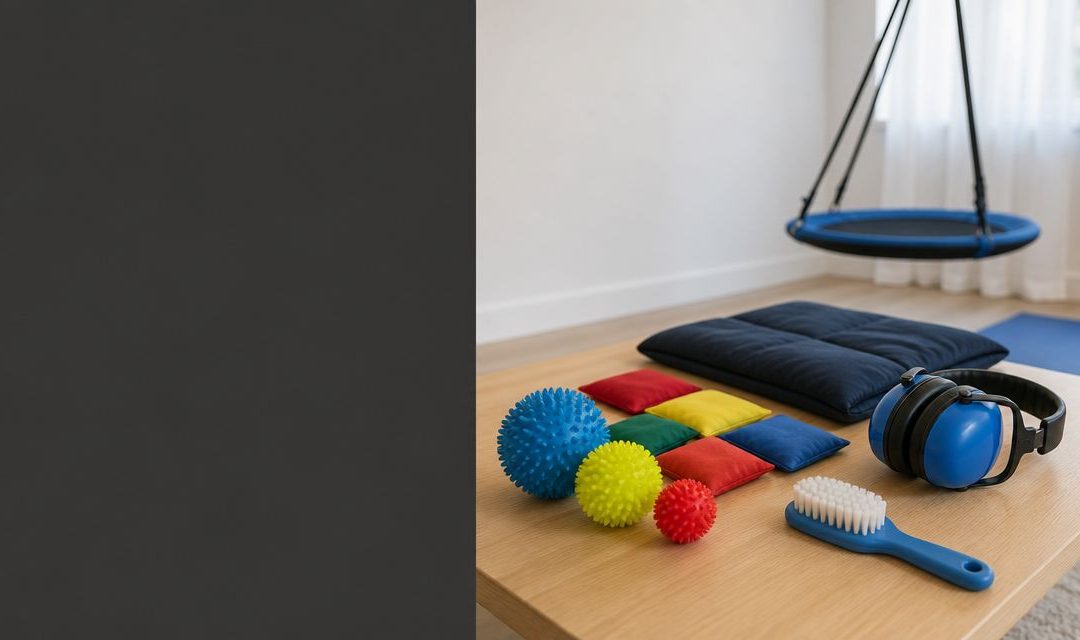
Deep pressure is one of the most dependable calming inputs for a child whose system feels “too on.” That's why weighted blankets, weighted lap pads, compression shirts, and pressure garments show up so often in real sensory plans. NAPA Center specifically includes weighted vests and weighted blankets among commonly used sensory tools for sensory-seeking children in its sensory seeker activity guidance.

The neurological reason is straightforward. Deep, evenly distributed pressure gives the brain clear body-position information through the proprioceptive system. That input often helps lower the “alarm” feeling in an overstimulated child and improves their ability to stay present during transitions, homework, meals, or bedtime.
Children use these tools in very different ways. A preschooler may settle better with a weighted lap pad during story time. A school-age child may do well with a compression shirt under regular clothes during busy classroom periods. A teen who crashes after school may regulate faster under a weighted blanket on the couch for a short reset before the evening routine starts.
How to use them well
What works is timing and observation. What doesn't work is treating deep pressure like a one-size-fits-all calming button.
- Use it before predictable stress: Try pressure input before car rides, school drop-off, haircut appointments, or homework instead of waiting for full overload.
- Start with short periods: Let the child adjust. Some children love compression immediately. Others need brief, repeated exposure.
- Watch body language: Better eye contact, slower breathing, and easier transitions are good signs. Irritability, overheating, or escape behavior usually mean the input is too much or poorly timed.
Practical rule: Deep pressure should look organizing, not trapping. If the child seems stuck, sweaty, or more agitated, stop and reassess.
I often explain to parents that pressure tools can support regulation, but they don't create regulation on their own. If the nervous system is already running in a stressed, defensive pattern, the child may only get partial benefit. That's one reason families exploring chiropractic support for kids with sensory processing disorder often pair these tools with care aimed at improving nervous system adaptability.
2. Sensory Bins and Tactile Play Materials
Tactile play is where many families either make strong progress or hit immediate resistance. A child who avoids glue, sand, or wet textures may panic at the wrong setup. Another child may dive into every messy surface they can find and still want more. Sensory bins help because they make touch predictable, contained, and easier to grade.
A good bin gives the brain a controlled dose of tactile information. That's useful for children who are tactile defensive and need slow exposure, and also for children who crave texture and novelty. The bin becomes a practice field for the nervous system. Hands explore, the brain sorts the sensation, and the child learns that input can be manageable.

Kinetic sand is often easier than sticky or wet materials because it stays more contained. Dry rice or beans can work well for treasure hunts. Natural bins with smooth stones, bark, leaves, or pinecones give rich tactile variety for kids who prefer outdoor textures over craft textures.
Better setups get better results
The biggest mistake is starting too intensely. If a child hates messy hands, don't begin with slime.
Try a progression like this:
- Begin with preferred textures: Dry beans, scoops, cups, and hidden toy cars are often easier than shaving cream or finger paint.
- Add tools before direct touch: Tweezers, spoons, funnels, and measuring cups reduce the threat level while still building tolerance.
- Keep it themed: Dinosaur digs, ocean bins, or construction bins can pull a hesitant child into sensory play because the play goal feels bigger than the texture itself.
For tactile-seeking kids, bins can become part of a regulation routine before seated tasks. Ten minutes of scooping, pouring, burying, and finding can help settle fidgeting hands and improve readiness for fine motor work.
For tactile-avoidant kids, less is more. Let them touch one texture. Then stop while they're still successful. That creates a positive sensory memory instead of a struggle.
Some children need to control the texture before they'll tolerate the texture.
That principle shows up all the time clinically. When the nervous system feels more regulated overall, tactile work usually becomes easier. The child has more capacity to process sensation without going into defense. That's the bridge between home-based activities for sensory processing disorder and neurologically-focused chiropractic care. We want the nervous system less reactive, so sensory experiences become easier to organize instead of harder to survive.
3. Proprioceptive Jumping and Heavy Work Activities
If I could pick one category of activities for sensory processing disorder that helps the widest range of kids, it would be heavy work. Pushing, pulling, carrying, climbing, jumping, crawling, and resistance-based play give the brain strong input through muscles and joints. That input is often organizing, grounding, and regulating.
NAPA Center's recommendations for sensory seekers include pushing and pulling work such as a shopping cart, wagon, or carrying groceries, along with jumping, crash pads, and deep pressure input in its guide to calming the sensory seeker. That pattern lines up with what many parents already notice. Their child behaves better after purposeful movement than after passive rest.
Heavy work improves body awareness. It tells the brain where the body is in space, how much force is being used, and what the next movement should be. For kids who seem wild, clumsy, floppy, rough with peers, or unable to sit still, this kind of input is often exactly what the system is asking for.
A mini trampoline before school can help a child arrive more organized. Carrying books from the car, pushing a full laundry basket, crab-walking down the hall, or doing wall pushes before homework can make the next task possible when it otherwise would have turned into conflict.
What works and what usually backfires
Heavy work is most useful when it's intentional. Random high-energy chaos isn't the same thing.
- Good heavy work: wagon pulls, obstacle courses with crawling and pushing, monkey bars, climbing, pushing against a therapy ball, carrying grocery bags with supervision
- Less helpful substitutes: aimless running in circles, screen breaks that don't involve body input, or roughhousing that escalates the child further
- Best timing: before transitions, before seated learning, and after school when the child's system is overloaded
Here's the key trade-off. Some kids look hyper, but what they need is more body input. Adults often respond by trying to make them be still. That usually fails because stillness doesn't solve the underlying sensory need.
The video below shows movement-based input in action.
When the spine and nervous system are functioning more efficiently, children often handle proprioceptive work with better coordination and less overwhelm. That's why I see heavy work as a powerful complement to neurologically-focused care. The activity gives the brain organizing input. Chiropractic care aims to improve the nervous system's ability to receive and respond to that input well.
4. Vestibular Activities and Movement Breaks
Does your child look calmer after a short walk but completely fall apart after spinning, swinging hard, or rough play? That pattern usually points to the vestibular system, which helps the brain interpret movement, balance, head position, and where the body is in space.
When vestibular processing is off, daily life gets harder in very practical ways. A child may crave motion and keep climbing, crashing, pacing, or spinning because the brain is trying to find input it can organize. Another child may avoid stairs, playground equipment, or being tipped backward because movement feels unsafe or disorienting. I pay close attention to that difference because the same category of input can regulate one child and overwhelm another.

The goal is not more movement. The goal is better movement input. Rhythmic, predictable motion often helps the brain process sensory information with less threat and less chaos. Good options at home include a platform swing, rocking chair, scooter board, balance beam, yoga ball bounce, animal walks between movement stations, or a simple walking break around the block or down the hallway.
Start slower than most parents expect.
Vestibular input is powerful because it feeds directly into systems involved in posture, eye tracking, coordination, and arousal level. Linear movement, such as gentle swinging forward and back, is often easier for the nervous system to handle than spinning in circles. Slow rocking usually lands better than fast head movement. Pairing movement with body awareness work, such as carrying something, crawling, or pushing, also tends to improve tolerance because it gives the brain more grounded input to work with.
A few practical patterns help:
- For children who seek movement: use short, structured movement breaks with a clear start and stop, such as 5 minutes of swinging followed by a carry task or wall pushes
- For children who avoid movement: begin close to the ground with rocking, slow walking, stepping over pillows, or balance activities where both feet stay supported
- For transitions at school or home: use a hallway walk, a few yoga poses, chair push-ups, or a brief scooter-board run before expecting seated attention
- For children who get worse after movement: reduce speed, remove spinning, shorten the duration, and watch whether the child does better with predictable back-and-forth input
Here is the trade-off parents need to know. Movement breaks can help attention, mood, and coordination, but too much vestibular input can backfire for hours. A child who laughs while spinning is not always regulating well. Sometimes the crash comes later, with irritability, poor focus, clumsiness, or trouble settling to sleep.
That neurological piece matters. The vestibular system does not work in isolation. It has to integrate with visual input, postural control, and the brain's threat-detection systems. Neurologically-focused chiropractic care at First Steps aims to improve how the nervous system receives and responds to that incoming information, so movement is more likely to feel organizing instead of overwhelming. Families who see constant crashing, pacing, and spinning often recognize those patterns in this guide to sensory-seeking behaviour.
In practice, the best movement plan is usually simple, repeatable, and timed well. Use it before schoolwork, before transitions, or after long periods of sitting. Skip the idea that every break needs to be exciting. For many kids, calm and predictable works better.
5. Auditory Sensory Tools and Sound Regulation
Why does a child seem fine at home, then fall apart in the cafeteria, during worship, or halfway through a grocery trip? Often the problem is not behavior first. It is auditory filtering. The brain is working too hard to sort background noise, speech, echo, and sudden sounds all at once.
That matters clinically because sound processing is tied to arousal, attention, and threat detection. A child who cannot filter competing input may cover their ears, melt down, talk louder, or look defiant. In many cases, they are trying to protect an overloaded nervous system.
Auditory tools can help, but only when they match the child's pattern. Noise-reducing headphones are useful for some kids in stores, assemblies, and other high-volume spaces. Other children do better with steady background sound at home, especially if unpredictable noises make them jumpy or anxious. Some seek sound and regulate better with structured auditory input such as drumming, clapping patterns, or simple listening games with a clear beginning and end.
Use sound tools with a clear purpose
Parents often buy the highest-rated product and assume the job is done. In practice, tolerance matters more than features. A lightweight pair of headphones a child will wear is better than a bulkier pair that never leaves the bag. The same goes for music. If it helps, keep it predictable and low demand. If it adds load, stop using it.
A practical starting point looks like this:
- For auditory-sensitive children: use noise-reducing headphones for short periods in places with dense background noise
- For children who startle at sudden sound: try a fan or white noise machine during sleep or in a busy home environment
- For children who seek auditory input: offer controlled sound play, such as drumming to a beat, rhythm copying, or songs with planned pauses
- For children who get more dysregulated with added sound: reduce competing audio first, including TV in the background, overlapping conversations, or constant music
There is a trade-off here. Sound-blocking tools can lower the immediate load, but if they are used all day, every day, some children become even less tolerant of normal environments. The goal is participation with support, not withdrawal from every noisy setting. That usually means using auditory tools strategically during the hardest parts of the day, then removing them when the child is regulated enough to manage without them.
Planning also matters. Advance warnings, quieter arrival times, short exposure windows, and an exit option often work better than relying on headphones alone. Child Mind Institute highlights those practical supports for going places with sensory-challenged kids.
From a neurological standpoint, better sound regulation is not just about the ears. The brain has to interpret sound, filter what is irrelevant, and decide whether the environment is safe enough to stay engaged. Neurologically-focused chiropractic care at First Steps is aimed at improving that broader regulation so the child is less stuck in a stress response. When that system is working better, the same environment often feels more manageable, and the child can use these home strategies more effectively.
6. Visual Sensory Supports and Environmental Modifications
Some children are overwhelmed less by touch or sound and more by what they see. Busy walls, fluorescent lights, cluttered desks, fast visual movement, and too many objects in one space can all push the nervous system into overload.
Visual support starts with reduction, not addition. Parents often buy more sensory tools when the child really needs less visual noise. A calmer room, lower lighting, fewer choices visible at once, and cleaner workspaces often improve regulation faster than a new gadget.
In school-age children, visual schedules are often one of the most useful supports because they reduce uncertainty. The child doesn't have to hold the whole day in working memory. They can see what's next. That lowers the cognitive and sensory load around transitions.
Practical changes that actually help
Visual supports work best when they're simple enough to be used every day.
- Use picture schedules: one step at a time for morning routines, homework, toileting, or bedtime
- Reduce visual clutter: clear bins, fewer toys out, and one active workspace can calm a visually busy room
- Change lighting first: lamps, natural light, or softer bulbs are often easier than harsh overhead lights
- Create clear boundaries: colored tape, mats, or defined desk areas can help the brain understand where the task happens
A child who falls apart during homework may not hate homework. They may hate sitting under bright lights at a table covered with papers, markers, devices, and visual distractions. When you strip the space down, the task often gets easier.
Visual support can also help in public spaces. A simple first-then board, a visual timer, or a photo sequence for doctor appointments can reduce stress before the first demand is even placed on the child.
This category connects to nervous system health in an important way. The more stressed the system is, the less efficiently it filters nonessential input. That means clutter, brightness, and motion feel bigger than they should. When care is focused on improving regulation at the nervous system level, visual strategies often work better because the child isn't starting from such a reactive baseline.
7. Olfactory and Gustatory Sensory Strategies
Smell and taste are often overlooked in conversations about activities for sensory processing disorder, but they matter a great deal. These senses are tied closely to emotional response, appetite, memory, and threat detection. A child may refuse a room, a food, or a routine before anyone realizes the trigger is scent or oral sensory discomfort.
This is also an area where adults do the most accidental pushing. Forced exposure usually backfires. If a child already experiences smell or taste as threatening, pressure turns that threat into a battle.
A better approach is low-pressure exploration. Let the child smell foods before tasting them. Let them lick, crunch, spit out, or tolerate a food being nearby without demanding a bite. Oral sensory tools can help too. Crunchy snacks, chewy foods, thick smoothies, silicone chew tools, or drinking through a straw can give organizing input to the mouth and jaw.
Keep this gentle and specific
The goal is not to make a child eat everything. The goal is to widen tolerance without triggering defense.
- Start with smell only: some children can engage with a new food by helping prepare it, stirring it, or smelling it
- Use preferred foods as anchors: place tiny exposures near accepted foods without mixing them together
- Offer oral motor work: chewy tubes, crunchy carrots, bagels, applesauce through a straw, or thick yogurt can provide mouth-based proprioceptive input
- Choose calming scents carefully: a familiar mild scent in a bedtime routine may help one child, while another may reject any added fragrance
Here's a common real-world example. A child who seems “picky” at dinner may be rejecting mixed textures, strong smells, or the unpredictability of warm foods. They may do much better with separated foods, cooler temperatures, or consistent textures.
If exposure creates panic, it's too much. Progress in this area should feel boring, safe, and repeatable.
From a neurological standpoint, smell and taste can trigger very fast protective responses. When the nervous system is more dysregulated, those responses can become exaggerated. Supporting overall regulation often helps children approach oral and olfactory experiences with less defensiveness, even before food variety changes in a dramatic way.
8. Sensory Diet and Scheduled Sensory Input
What happens if the hardest parts of your child's day are predictable, but the support only shows up after things fall apart?
That is the value of a sensory diet. It is a planned schedule of sensory input that helps a child stay more regulated across the day instead of swinging between overload and recovery. The goal is not to keep a child busy with sensory tools. The goal is to give the nervous system the right input at the right time, before stress builds past the child's ability to adapt.
In practice, that means looking for patterns. Some children get disorganized before school, others unravel after long periods of sitting, and many lose ground during transitions, errands, or the late afternoon drop in energy and tolerance. A useful plan matches those pressure points with specific input that tends to organize the brain and body.
A morning routine might include trampoline jumps, wall pushes, and a protein breakfast. During school, support may include a movement break, a fidget, a lap pad, and a visual schedule. After school often goes better with heavy work before homework. Evening usually calls for less stimulation, more predictability, and calming proprioceptive input.
Build the day around nervous system demand
The strongest sensory diets are specific and repeatable. They do not rely on guessing in the moment. They are built around when regulation typically drops and which type of input helps the child recover body awareness, attention, and emotional control.
Examples of practical structure:
- Before school: jumping, carrying a loaded backpack for a short distance, or animal walks down the hallway to wake up proprioceptive pathways
- Before seated work: chair push-ups, resistance band pulls, or a few minutes of tactile input to improve body organization and reduce restless movement
- Before difficult outings: headphones packed, visual preview given, snack ready, and an exit plan clearly explained
- Before bed: dim lights, compression pajamas or a weighted lap pad, slow rocking, and less screen stimulation to reduce sensory load
Consistency matters because regulation is easier to support than to rebuild. Families usually do better when they stop searching for a one-time fix and start using repeatable routines that lower the number of preventable crashes in a day.
Good sensory planning also has to work outside the house. Classrooms, restaurants, grocery stores, waiting rooms, and travel days all place different demands on the nervous system. A child may need advance warning, a movement break before entering a busy space, a quiet sensory tool during the wait, and a clear way to leave if overload starts. That is not over-accommodation. It is practical preparation.
I often tell parents to judge a sensory diet by function, not by how impressive it looks on paper. If the plan is too complicated to use on a rushed Tuesday morning, it will not hold up. A shorter schedule that families can repeat usually works better than an ambitious plan that disappears after three days.
This also connects directly to the neurological side of care. Sensory activities change the input a child receives across the day. Neurologically-focused chiropractic care at First Steps aims to improve how the brain and body process, organize, and respond to that input. When underlying regulation improves, children often need less rescue support, recover faster, and participate more fully in daily life.
Comparison of 8 Sensory Activities
| Strategy | Implementation Complexity 🔄 | Resource Requirements ⚡ | Expected Outcomes ⭐ | Ideal Use Cases 📊 | Key Advantages 💡 |
|---|---|---|---|---|---|
| Weighted Blankets & Pressure Garments | Low, straightforward to introduce; requires correct weight selection | Moderate, one-time purchase, seasonal covers | High, improved sleep, reduced anxiety, calming/proprioceptive input | Bedtime, rest breaks, transitions, classroom calming | Non‑invasive, clinically supported, portable |
| Sensory Bins & Tactile Materials | Low, easy setup; needs supervision and cleanup | Low, inexpensive, replaceable materials | Moderate, increased tactile tolerance, fine motor & hand strength | Therapy, home play, classroom sensory centers | Highly customizable, engaging, promotes motor planning |
| Proprioceptive Jumping & Heavy Work | Moderate, needs planning, safety oversight, proper dosing | Moderate, space and variable equipment (trampoline, weights) | High, immediate organizing/calming effect; builds strength/body awareness | Pre-transition routines, sensory‑seeking children, low muscle tone | Immediate regulation, improves motor control and strength |
| Vestibular Activities & Movement Breaks | Moderate, requires graded exposure and monitoring for dizziness | Moderate, swings, balance tools, or playground access | High, better balance, coordination, motor planning, attention | Motor planning deficits, attention regulation, transitions | Foundational for sensory integration; wide systemic organizing effect |
| Auditory Tools & Sound Regulation | Low–Moderate, requires tuning to child's sensitivity/preferences | Moderate, headphones, apps or sound systems, curated audio | Moderate, reduced auditory overload, improved focus and calm | Noisy environments, public outings, classroom settings | Portable, non‑invasive; supports emotional regulation and concentration |
| Visual Supports & Environmental Modifications | Low, simple changes; may need coordination across settings | Low, lighting adjustments, schedules, visual materials | Moderate–High, immediate reduction in overstimulation; increased predictability | Busy classrooms, visual hypersensitivity, transition support | Low‑cost, immediate impact; enhances organization and focus |
| Olfactory & Gustatory Strategies | Moderate, highly individualized; must be introduced very gradually | Low, scents, foods, oral tools; specialist guidance advised | Variable, can expand food tolerance, influence mood and appetite | Feeding aversions, oral sensory defensiveness, mealtime practice | Direct limbic access; useful for feeding and emotional regulation |
| Sensory Diet & Scheduled Input | High, requires OT assessment, planning and consistent implementation | Moderate, therapist time, caregiver/school coordination, daily routines | High, proactive regulation, fewer meltdowns, improved attention/learning | Children with complex sensory profiles needing daily structure | Individualized, evidence‑based, comprehensive and transferable |
Beyond Activities Building a Foundation for Lasting Change
What if the activity that helps today is only part of what your child's nervous system needs?
Sensory tools can change the rhythm of a day. A smoother trip to the store. Better attention during homework. Fewer collisions at bedtime. That kind of relief matters because it lowers stress for the child and the parent, and it creates more room for learning, connection, and recovery.
In practice, though, families often notice a pattern. The right activity helps, but the child still stays very close to overload. A poor night of sleep, a loud classroom, or an unexpected transition can push the system right back into defense. That points to a regulation problem, not just a shortage of good sensory ideas.
I explain it this way in the office. Sensory activities work through specific neurological channels. Deep pressure can help settle an overactive stress response. Heavy work can improve proprioceptive input, which often helps the brain map the body more accurately and feel safer in space. Movement breaks can support vestibular processing and attention. Tactile play can gradually build discrimination and tolerance. Visual structure lowers uncertainty, which reduces the amount of threat the brain assigns to everyday tasks.
Those are useful tools. They also work best when the nervous system can receive and organize that input well.
That is where the bigger clinical question comes in. How well is the child's nervous system adapting in the first place?
At First Steps Chiropractic, the focus is not only on adding more sensory input. The focus is on assessing how the child's system is functioning through consultation, Insight Scans, a chiropractic exam, a personalized care plan, and neuro-tonal adjustments. The goal is better regulation. For children with sensory challenges, that matters because sensory processing depends on a brain and body that can sort input, filter it, and respond without staying stuck in fight, flight, or freeze.
When that foundation improves, home strategies often work better. A child who used to need constant crashing or jumping may settle with less proprioceptive input. A child who fought every clothing texture may tolerate dressing with less distress. A child who still dislikes noisy places may handle them with more reserve instead of tipping into a meltdown within minutes.
That change is not about forcing the child to tolerate more. It is about improving the nervous system's capacity to interpret sensation without treating everything as a threat.
There are trade-offs here, and parents should hear them clearly. Progress is rarely linear. The weighted blanket that helped for a month may stop helping during a growth spurt. A movement break that works after school may overstimulate right before bed. Children often need different kinds of input during illness, schedule changes, developmental jumps, or school transitions. Good sensory support stays responsive to the child in front of you.
I usually tell families to watch for one practical distinction. Does an activity organize the child, or does it only distract for a few minutes? Organized looks like better coordination, steadier breathing, easier transitions, and improved recovery after stress. Distraction looks brief, then the same crash returns.
Start small. Choose one or two activities that match your child's pattern and use them consistently enough to see a real response. Then ask the larger question. Is this plan only helping you manage symptoms, or is it also supporting the underlying regulation that makes sensory life easier over time?
For families in North Idaho, First Steps Chiropractic is one option to consider alongside the home strategies already in place. The strongest results often come when daily sensory support and neurologically-focused chiropractic care are working toward the same goal. Better nervous system adaptability, better function, and less stress built into ordinary life.