
The quest for a peaceful night's sleep can feel like a daunting puzzle for many parents. When your child struggles to fall or stay asleep, it impacts the entire family's well-being, turning bedtime into a source of stress rather than a time for rest and connection. While prescription options are rarely the first choice for children, a wealth of safe and effective solutions exists to help restore balance. This guide moves beyond generic advice to provide a comprehensive roundup of evidence-informed natural sleep aids for kids.
Our goal is to empower you with practical, actionable strategies that address the root causes of sleep challenges. We'll explore everything from powerful behavioral routines and simple environmental tweaks to gentle herbal remedies and targeted supplements like magnesium and melatonin. You will learn how to implement these tools safely and effectively, helping your child build a foundation for healthy sleep that lasts a lifetime. This list is designed to provide clear, straightforward support for families seeking gentle but powerful ways to navigate the night. We will also cover when it might be time to seek professional guidance and how specialized approaches can support a well-rested nervous system. Let's explore the tools that can bring peaceful nights back to your home.
1. Consistent Bedtime Routine
One of the most powerful and foundational natural sleep aids for kids is not a supplement or a special product, but a simple, predictable sequence of events. A consistent bedtime routine leverages the power of habit and classical conditioning, sending strong, clear signals to your child's brain and body that it's time to wind down and prepare for sleep. This predictability helps regulate their internal body clock, or circadian rhythm, making it easier for them to fall asleep and stay asleep.
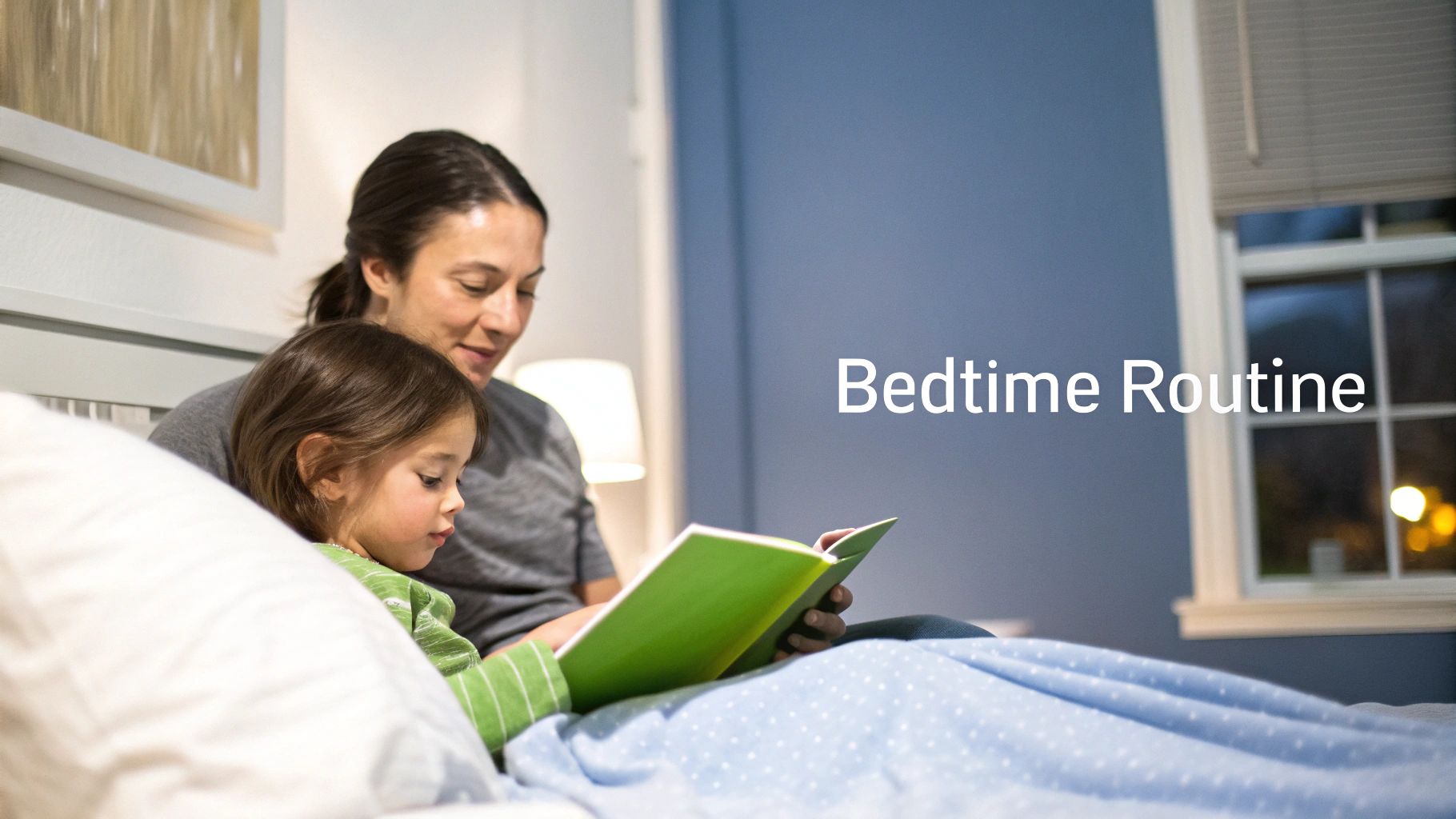
The key is creating a chain of calming activities that always happen in the same order, every single night. This creates a sense of safety and security for children, which is essential for relaxation. When a child knows exactly what to expect, they are less likely to feel anxious or resistant when bedtime approaches.
How to Build an Effective Routine
Building the right routine is about choosing the right activities and sticking to them. The goal is to move from high-energy activities to progressively calmer ones.
- Start Early: Begin the wind-down process about 30-60 minutes before your desired lights-out time. If the routine feels rushed, it won't be relaxing.
- Ditch the Screens: The blue light emitted from tablets, phones, and TVs can suppress the production of melatonin, the sleep hormone. End all screen time at least an hour before bed.
- Keep it Simple: A routine doesn't need to be complicated. A 20-30 minute sequence is often perfect. For toddlers, understanding the steps in a routine can be a big developmental win; discover more tips on how to get a toddler to sleep fast on our blog.
Expert Tip: For children with sensory sensitivities or neurological challenges like ADHD or SPD, a predictable routine is not just helpful, it's critical. The structure reduces sensory overload and calms a busy nervous system, making the transition to sleep much smoother.
Sample Bedtime Routines
The best routine is one that works for your family's unique needs. Here are a few examples to inspire you:
- For Toddlers: A warm bath, putting on pajamas, brushing teeth, reading two short books in a dimly lit room, a final cuddle and song, then lights out.
- For School-Aged Kids: Finishing homework, packing the school bag for tomorrow, a light, healthy snack, a 15-minute quiet activity (like drawing or listening to calm music), changing into pajamas, and reading a chapter of a book together.
2. Magnesium Supplementation
Magnesium is an essential mineral that acts as a powerful, natural sleep aid for kids by regulating the nervous system and promoting muscle relaxation. It plays a key role in the body's stress-response system and helps activate neurotransmitters that quiet the body and mind. For children who are restless, anxious, or struggle to wind down, a magnesium deficiency could be a contributing factor to their sleep difficulties.
This mineral helps maintain healthy levels of GABA, a neurotransmitter that promotes sleep, and it also helps regulate the hormone melatonin. When magnesium levels are adequate, children can often fall asleep more easily and experience deeper, more restorative sleep cycles. It’s particularly noted for its calming effect on both the muscular and nervous systems.
How to Introduce Magnesium
Incorporating magnesium can be done through diet or with targeted supplementation, but it's crucial to approach it correctly and safely. Always consult with your pediatrician before starting any new supplement.
- Start with Food: Increase intake of magnesium-rich foods like pumpkin seeds, almonds, spinach, bananas, and avocados. This is the safest first step.
- Choose the Right Form: If supplementing, magnesium glycinate is often recommended for children as it is highly absorbable and gentle on the stomach, unlike other forms like magnesium citrate which can have a laxative effect.
- Timing is Key: Give the supplement about 30-60 minutes before bedtime to allow it to start working as part of the wind-down routine.
Expert Tip: Before supplementing, consider asking your pediatrician about testing for a magnesium deficiency. This can provide a clear baseline and help determine the most effective and appropriate dosage, which typically ranges from 100-300mg for children depending on age and weight.
Sample Supplementation Strategies
The best approach will depend on your child's age, dietary habits, and specific needs.
- For Toddlers: Focus primarily on a food-based approach. A small pre-bedtime snack of a banana or a few almonds (if age-appropriate) can be beneficial.
- For School-Aged Kids: Children with ADHD or high levels of anxiety may see significant benefits. A low-dose magnesium glycinate powder mixed into a small amount of water or a smoothie can be an effective and gentle way to promote calm before bed.
3. Melatonin (Natural and Supplemental)
Melatonin is a hormone naturally produced by the brain's pineal gland, primarily in response to darkness. It plays a crucial role in regulating the body's internal clock, or circadian rhythm, signaling that it's time to sleep. While the body's own production is the most natural sleep aid, sometimes supplemental melatonin can be used as a short-term tool to help reset a child's sleep-wake cycle, especially for specific conditions.
This supplement is often considered for children with diagnosed sleep-onset insomnia, delayed sleep phase disorder, or certain neurodevelopmental conditions. Unlike a sedative that forces sleep, melatonin works by adjusting the body's timing system, making it easier for a child to fall asleep at an appropriate time. It is one of the most-studied natural sleep aids for kids, but its use requires careful consideration and professional guidance.
How to Use Melatonin Safely
Using melatonin effectively and safely means treating it as a strategic tool rather than a nightly solution. It should always be used in conjunction with strong behavioral sleep strategies and under the guidance of a pediatrician.
- Consult a Doctor: Before starting melatonin, discuss it with your child's doctor to rule out other medical causes for sleep problems and determine if it's appropriate.
- Start Low and Go Slow: The recommended starting dose is very low, typically 0.5 mg to 1 mg, given 30-60 minutes before the desired bedtime. The goal is to find the lowest effective dose.
- Enhance Natural Production: To support your child's own melatonin, ensure their bedroom is completely dark and eliminate all screen time at least 1-2 hours before bed.
Expert Tip: Melatonin is particularly effective for children with certain neurodevelopmental disorders. Studies show that children with ADHD or Autism Spectrum Disorder (ASD), who often have co-occurring sleep difficulties, can see significant improvements in the time it takes to fall asleep.
When to Consider Melatonin
While not a first-line defense, melatonin can be a valuable option in specific scenarios where sleep timing is the primary issue.
- For Children with ASD or ADHD: These children often have a delayed melatonin release, and a low dose can help them fall asleep much faster.
- For Jet Lag: When traveling across time zones, melatonin can help reset the body clock to the new local time more quickly.
- For Delayed Sleep Phase Syndrome: This is a condition where a person's sleep pattern is shifted two or more hours later than a conventional sleep pattern, and melatonin can help advance the sleep phase.
4. Chamomile and Herbal Teas
A warm, soothing cup of herbal tea is a timeless remedy for promoting relaxation, and it serves as a gentle and effective natural sleep aid for kids. Chamomile, in particular, is renowned for its calming properties. It contains an antioxidant called apigenin, which binds to specific receptors in the brain that may decrease anxiety and initiate sleep, making it a mild and safe tranquilizer.
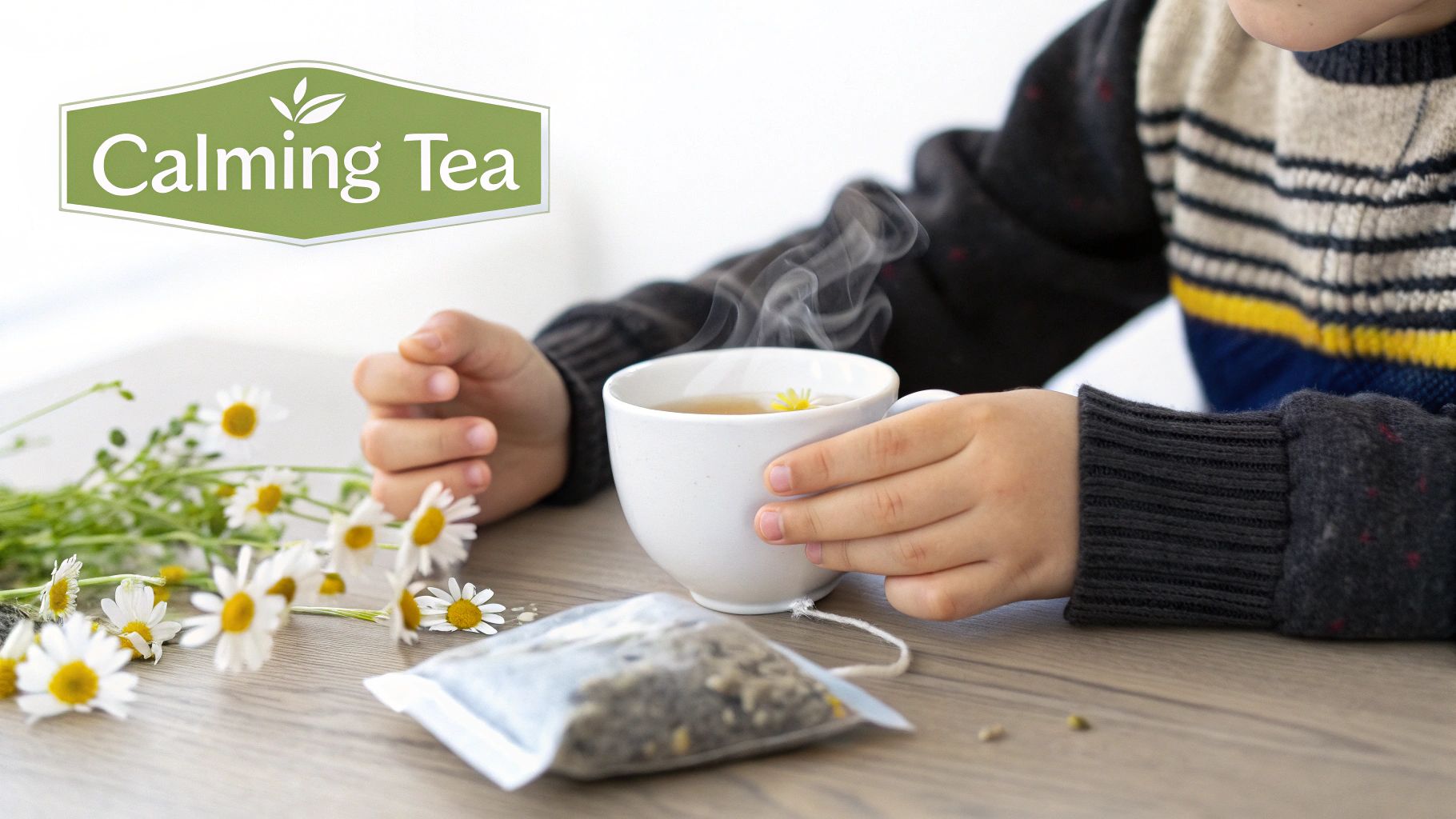
The ritual of sipping a warm beverage is inherently comforting and can become a cherished part of a bedtime routine. This practice provides both a physiological effect from the herbs and a psychological cue that the day is ending. For many families, this simple tradition helps children transition from the activity of their day to a state of calm readiness for bed.
How to Use Herbal Teas Safely
Introducing herbal teas requires a gentle approach to ensure it's a positive and safe experience for your child. The key is moderation and choosing the right blends.
- Serve it Warm, Not Hot: Always test the temperature to ensure it's comfortably warm to prevent any burns.
- Time it Right: Offer the tea about 30-60 minutes before lights-out. This allows time for the calming effects to begin and for a final trip to the bathroom.
- Choose Kid-Friendly Herbs: Stick to well-known, gentle herbs like chamomile, passionflower, or lemon balm. Avoid complex blends with ingredients you don't recognize.
Expert Tip: For children over one year old, a small spoonful of honey can make the tea more palatable and adds its own soothing properties. Never give honey to infants under 12 months due to the risk of infant botulism.
Sample Herbal Tea Ideas
The preparation can be as simple or creative as you like. The goal is a warm, comforting drink that signals sleep is near.
- Simple Chamomile Tea: Brew one organic chamomile tea bag in a cup of hot water for 5-7 minutes. Remove the bag and let it cool to a safe temperature.
- Warm "Tea" Milk: For younger children or those who prefer milk, steep a chamomile tea bag directly in a small pan of gently warmed milk (not boiled) for a few minutes.
- Blended Herbal Infusion: Look for commercially available "sleepy time" tea blends for kids that often contain a mix of chamomile, spearmint, and lavender. Always check the ingredients for safety.
5. Blackout Curtains and Light Management
Managing your child's light exposure is a powerful, science-backed way to support their natural sleep-wake cycle. Creating a pitch-dark sleep environment is one of the most effective natural sleep aids for kids because it directly supports the brain's production of melatonin. Light, particularly blue light from streetlamps or electronics, can trick the brain into thinking it's still daytime, suppressing this essential sleep hormone and making it harder for a child to fall asleep.
Darkness is the primary signal to the brain that it's time to rest. By eliminating external light sources with blackout curtains or shades, you create an optimal setting for their circadian rhythm to take over. This simple environmental change can significantly reduce the time it takes for a child to fall asleep and can help prevent early morning wakings caused by the sunrise.
How to Manage Light Effectively
Optimizing the sleep environment is about creating a stark contrast between day and night. The goal is to make the bedroom as dark as possible for sleep and bright with natural light upon waking.
- Install True Blackout Solutions: Invest in high-quality blackout curtains or roller shades for all windows in the bedroom. Ensure there are no gaps where light can peek through.
- Eliminate All Light Sources: Cover or remove any electronics with standby lights, such as clocks, baby monitors, or air purifiers. Even small amounts of light can be disruptive.
- Balance with Morning Light: In the morning, open the curtains wide to let in bright, natural sunlight. This exposure helps reset the body clock and promotes alertness during the day.
Expert Tip: For children who are afraid of complete darkness, use a dim, red-toned night light. Red light has a longer wavelength and is the least disruptive to melatonin production compared to blue or white light. Place it low to the ground and away from their direct line of sight.
Tips for Implementation
The right approach depends on your child's needs and your home's environment. Consider these strategies:
- For Toddlers: Make a game out of "saying goodnight to the sun" as you close the blackout curtains together, making it a predictable part of the bedtime routine.
- For Early Risers: Blackout curtains are a game-changer for kids who wake at the crack of dawn, especially during the long days of summer. They help keep the room dark, encouraging them to sleep until a more reasonable hour.
6. Progressive Muscle Relaxation (PMR)
Another powerful, hands-on natural sleep aid for kids is a mind-body technique called Progressive Muscle Relaxation (PMR). This practice involves systematically tensing and then releasing different muscle groups throughout the body. This process helps children recognize the difference between tension and relaxation, giving them a physical tool to consciously let go of stress held in their bodies, which is a common barrier to sleep.
Developed by Dr. Edmund Jacobson, PMR is a proven method for reducing physical tension and anxiety. By guiding a child through tensing and releasing muscles, you are actively helping them switch their nervous system from the "fight-or-flight" sympathetic state to the "rest-and-digest" parasympathetic state, which is essential for falling asleep peacefully.
How to Introduce PMR to Your Child
The key to PMR with kids is making it engaging and simple. You can frame it as a game where they get to squeeze their muscles tight like a superhero and then let them go limp like a rag doll.
- Start Small: Begin with just a few muscle groups, like the hands, arms, feet, and legs. As they get comfortable, you can add more groups like the stomach and shoulders.
- Use Fun Imagery: Ask them to squeeze their fists like they're squeezing juice from a lemon, then relax. Tell them to scrunch up their toes as if they're digging them into the sand, then let go.
- Keep it Brief: A 5-10 minute session is plenty for a child. The goal is to create a calming experience, not a lengthy exercise.
Expert Tip: PMR is especially effective for children who experience anxiety or have trouble calming a "busy body" at night. It gives them a tangible action to focus on, redirecting their minds away from anxious thoughts and onto physical sensations, which can be incredibly grounding.
Sample PMR Script
Guide your child with a calm, gentle voice in a dimly lit room. Here is a simple sequence to start with:
- Hands and Arms: "Let's pretend you are squeezing a lemon really, really hard in each hand. Squeeze tight… tighter… one, two, three… and now drop the lemons and let your hands go all soft and floppy. Feel how nice that is?"
- Legs and Feet: "Now, let's push your feet down like you're trying to stand on your tiptoes and reach the ceiling. Stretch them long and tight… hold it… and now let them go completely loose, like cooked spaghetti."
This technique directly engages the body's relaxation response. Find out more about how PMR supports the parasympathetic nervous system on our blog.
7. White Noise and Sound Machines
A child’s hearing remains active even during sleep, meaning sudden, jarring noises like a dog barking or a siren can easily wake them. White noise and sound machines act as a consistent auditory blanket, masking these disruptive environmental sounds. This creates a predictable, womb-like soundscape that signals safety to a child's brain, helping it downregulate and transition into a deeper, more restorative sleep.
This consistent background sound prevents the brain from being on high alert for variable stimuli. For families in noisy urban environments or households with other children on different schedules, a sound machine can be one of the most effective natural sleep aids for kids, ensuring a quiet, uninterrupted sleep space.
How to Use Sound Machines Effectively
Using a sound machine is straightforward, but a few key practices ensure it is both safe and beneficial. The goal is to create a soothing sound layer, not an overwhelming one.
- Mind the Volume: The American Academy of Pediatrics recommends keeping the volume at or below 50 decibels, which is roughly the level of a quiet conversation or a running dishwasher.
- Positioning is Key: Place the sound machine at least several feet away from your child's bed or crib. Never place it directly inside the crib, as this can be too loud for delicate ears.
- Choose the Right Sound: Test different options. While some children find classic white noise calming, others may prefer the sound of gentle rain, ocean waves, or even a simple fan.
Expert Tip: Opt for a dedicated sound machine over a phone or tablet app. This eliminates the risk of blue light exposure from the screen, which can interfere with melatonin production, and avoids interruptions from notifications or calls.
Finding the Perfect Sound
The ideal sound is one that is monotonous and consistent, effectively blending into the background.
- For Newborns: Many infants respond well to "pink noise" or heartbeat sounds, as they closely mimic the environment of the womb, providing a deep sense of comfort and security.
- For Older Children: A simple fan sound or a consistent nature sound like steady rainfall can work wonders. If your child seems distracted by more complex sounds like birds chirping, stick to simpler, more monotonous options.
8. Weighted Blankets and Deep Pressure Stimulation
For children who struggle to settle their bodies and minds, a weighted blanket can feel like a warm, reassuring hug. This natural sleep aid for kids utilizes the principle of Deep Pressure Stimulation (DPS), providing gentle, consistent pressure across the body. This sensory input helps calm the nervous system, shifting it from a state of high alert (sympathetic) to one of rest and relaxation (parasympathetic).
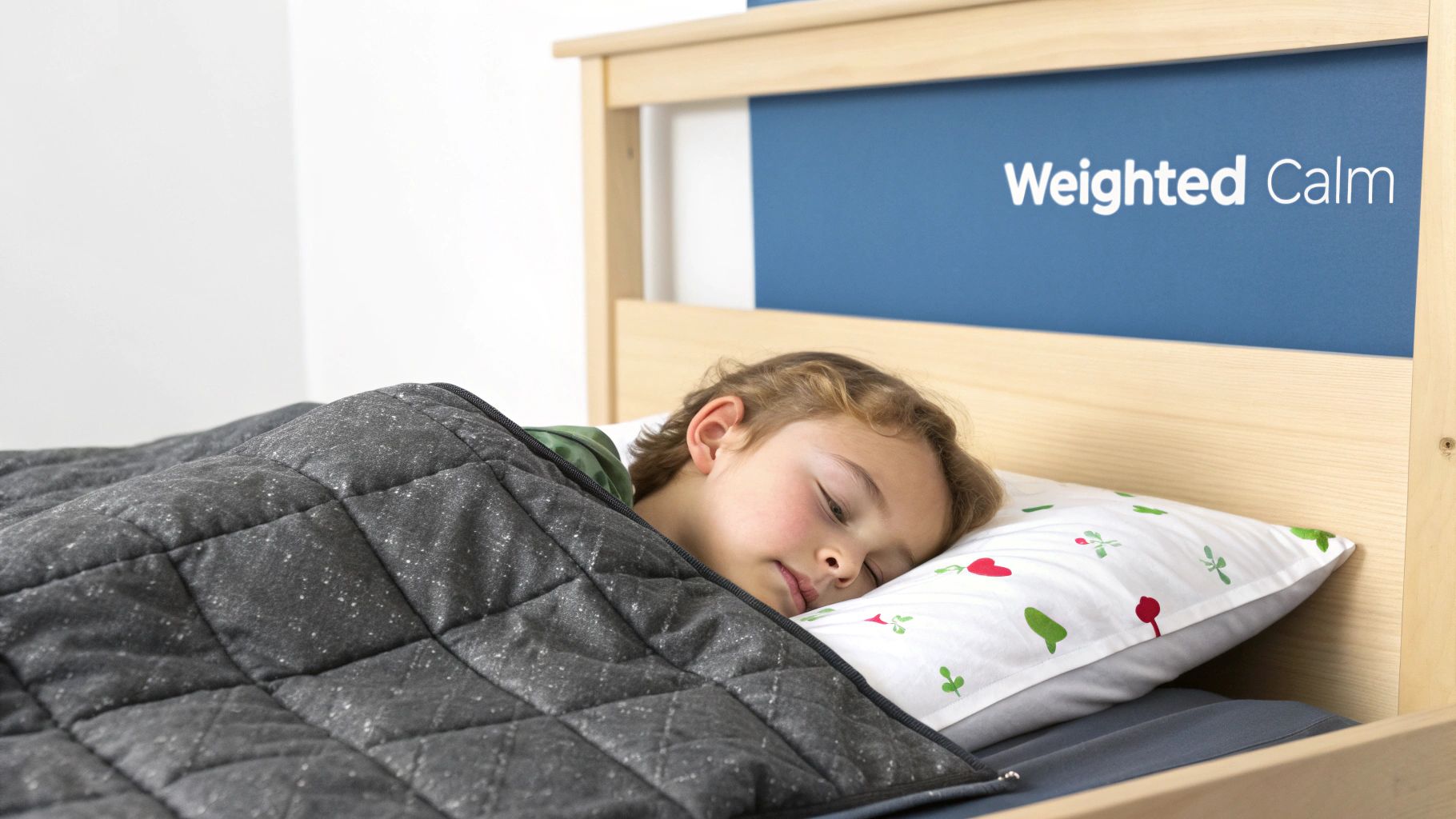
The science behind this comfort is fascinating; deep pressure encourages the brain to release serotonin, a neurotransmitter that promotes feelings of well-being, which then converts to melatonin, the body's primary sleep hormone. At the same time, it can help lower cortisol, the stress hormone, making it easier for a child to transition into a peaceful sleep.
How to Use a Weighted Blanket Safely
Choosing and using a weighted blanket correctly is crucial for safety and effectiveness. The goal is gentle, calming pressure, not restriction.
- Choose the Right Weight: The standard guideline is to select a blanket that is 5-10% of your child's body weight. For a 40-pound child, this would mean a 4-pound blanket.
- Ensure Proper Fit: The blanket should fit the child, not the bed. It should not hang over the sides, as this can cause it to slide off and pull on the child.
- Supervise Use: Never use a weighted blanket for children under three years old. Always ensure your child can remove the blanket on their own to prevent any risk of suffocation.
- Introduce Gradually: Start by using the blanket for 20-30 minutes during a quiet activity like reading before trying it for the whole night.
Expert Tip: Weighted blankets are particularly effective for children with sensory processing challenges, ADHD, or autism, as they provide the consistent sensory input their nervous systems often crave. This deep pressure can organize their sensory system, reducing the need for other sensory-seeking behaviour and making it easier to relax.
Examples of Weighted Blanket Benefits
The calming effects of deep pressure stimulation are well-documented in both clinical research and real-world family experiences:
- For Anxious Children: A child who feels anxious during thunderstorms or has separation anxiety may find the cocoon-like feeling of a weighted blanket profoundly comforting, helping them stay in their own bed.
- For Kids with ADHD: The steady sensory input can help a child with a "busy brain" and body feel more grounded, reducing restless leg movements and promoting stillness necessary for sleep onset.
8-Item Comparison: Natural Sleep Aids for Kids
| Intervention | Implementation Complexity 🔄 | Resources & Cost ⚡ | Expected Effectiveness ⭐ / Impact 📊 | Ideal Use Cases | Key Advantages / Tips 💡 |
|---|---|---|---|---|---|
| Consistent Bedtime Routine | 🔄🔄 Medium — nightly habit change required | ⚡ Low — time & parental consistency | ⭐⭐⭐⭐⭐ Improves sleep quality/duration; effects in 1–6 weeks | All ages; bedtime resistance, general insomnia | 💡 Non‑pharmacological; keep order consistent; avoid screens 30–60 min before bed |
| Magnesium Supplementation | 🔄🔄 Low–Medium — requires pediatrician dosing | ⚡ Low–Moderate — supplements or dietary changes | ⭐⭐⭐ Moderate benefit if deficiency; fast onset (30–60 min) | Suspected deficiency, restlessness, ADHD-related sleep issues | 💡 Test levels first; prefer glycinate; start low dose; watch GI effects |
| Melatonin (supplemental) | 🔄 Low — easy to give but needs timing/dose guidance | ⚡ Low — inexpensive supplement | ⭐⭐⭐⭐ Effective for circadian disorders and sleep initiation; best short‑term | Delayed sleep phase, jet lag, autism, initiating sleep | 💡 Use lowest effective dose (0.5–1 mg); give 30–60 min before bed; consult pediatrician |
| Chamomile & Herbal Teas | 🔄 Low — simple preparation and ritual | ⚡ Low — inexpensive ingredients | ⭐⭐ Mild–Moderate calming effect; supports bedtime ritual | Younger children who tolerate warm drinks; calming evening ritual | 💡 Brew weakly; serve warm (not hot) 30–60 min before bed; check allergies |
| Blackout Curtains & Light Management | 🔄 Low — one‑time install, minimal upkeep | ⚡ Moderate — upfront cost for quality curtains | ⭐⭐⭐⭐ High impact on melatonin and sleep consolidation | Light‑sensitive children, early wakings, daytime sleepers | 💡 Install on all windows; pair with morning light exposure; use dim nightlight if needed |
| Progressive Muscle Relaxation (PMR) | 🔄🔄 Medium — needs teaching and practice (10–20 min) | ⚡ Low — no equipment; may use guided audio/apps | ⭐⭐⭐⭐ Effective for anxiety-related insomnia; builds self‑regulation | Anxious children, older kids/teens, ADHD | 💡 Start simplified for young children; use guided recordings; practice daytime first |
| White Noise & Sound Machines | 🔄 Low — plug‑and‑play; selection/test required | ⚡ Low — device or app; electricity/batteries | ⭐⭐⭐⭐ Quickly masks noise; improves consolidation for light sleepers | Urban homes, travel, sleepovers, light sleepers | 💡 Keep ≤50 dB and >3 ft from crib; prefer machines over phones; test sounds |
| Weighted Blankets & Deep Pressure | 🔄 Low–Medium — choose correct weight; gradual introduction | ⚡ Moderate–High — higher upfront cost | ⭐⭐⭐⭐ Effective for anxiety, sensory needs; calming within minutes | Children 3+ with anxiety, ADHD, sensory seeking | 💡 Use ~5–10% body weight; supervise younger kids; use breathable fabrics; start 20–30 min/night |
Creating a Holistic Sleep Strategy: When to Seek Professional Support
Navigating the landscape of your child's sleep can feel like a complex puzzle, but as we've explored, you have a powerful toolkit of natural sleep aids for kids at your disposal. The key isn't to find a single magic bullet, but to thoughtfully layer strategies that create a comprehensive, supportive ecosystem for rest. True sleep success is often found in the synergy of these methods, building a foundation of healthy habits that can last a lifetime.
Think of it as creating a personalized sleep recipe for your child. Perhaps the winning combination is a consistent bedtime routine that includes a warm, calming chamomile tea, followed by Progressive Muscle Relaxation exercises in a room made pitch-black by blackout curtains. For another child, the deep pressure stimulation from a weighted blanket paired with the consistent hum of a white noise machine might be the ticket to dreamland. The journey is one of observation, patience, and gentle implementation.
Key Takeaways for Building Better Sleep
As you move forward, keep these core principles in mind. They represent the most impactful takeaways from our discussion on natural sleep solutions:
- Consistency is King: The cornerstone of healthy sleep is a predictable, calming bedtime routine. This signals to your child's brain and body that it's time to wind down, making the transition to sleep smoother and less stressful.
- The Environment Matters: You can significantly influence sleep quality by controlling light and sound. Blackout curtains and a quality sound machine are not just accessories; they are powerful tools for creating an optimal, non-disruptive sleep sanctuary.
- Calm the Body, Calm the Mind: Techniques like Progressive Muscle Relaxation and deep pressure from a weighted blanket directly address the physical tension and sensory needs that can keep a child awake. These methods help soothe an overstimulated nervous system.
- Use Supplements Wisely: While natural aids like magnesium and chamomile can be beneficial, they are best used as supportive elements, not primary solutions. Always start with the lowest effective dose and consult a trusted healthcare provider before introducing any new supplement.
When Natural Sleep Aids Aren't Enough
It is vital to recognize the signs that indicate a deeper issue might be at play. While the strategies in this article can resolve many common sleep challenges, they may not be sufficient if an underlying condition is present.
Important: Persistent sleep problems are not something your family simply has to endure. They are a signal from your child's body that it needs more targeted support to find balance and regulate itself properly.
If your child's sleep struggles continue despite your best efforts, or if you notice any of the following red flags, it is time to seek professional guidance:
- Loud, consistent snoring, gasping, or pauses in breathing during sleep (potential signs of sleep apnea).
- Extreme difficulty settling or significant anxiety around bedtime.
- Chronic nighttime waking that doesn't improve with routine adjustments.
- Significant daytime sleepiness, irritability, or behavioral issues linked to poor sleep.
These symptoms may point to underlying nervous system dysregulation, where the body is stuck in a state of stress ("fight or flight") and cannot easily access its rest-and-digest mode. This is where specialized, neurologically-focused care can be a game-changer, addressing the root cause rather than just managing the symptoms. Mastering these concepts means empowering yourself to not only implement effective strategies at home but also to know precisely when to call for professional backup, ensuring your child gets the comprehensive care they deserve.
If you suspect your child's sleep issues stem from a dysregulated nervous system, our team at First Steps Chiropractic is here to help. We specialize in gentle, neurologically-focused pediatric care to help your child's body find the balance it needs for restorative sleep. Visit us at First Steps Chiropractic to learn more and schedule a consultation.